%201.avif)
US Digital Lending Regulations in 2026: What Breaks in Real-World Lending Operations
.png)
Digital lending platforms were built to move fast, approve borrowers quickly, automate underwriting, and scale loan origination. But in 2026, lenders are discovering that speed alone is not enough.
The wave of US Digital Lending Regulations 2026 is exposing operational weaknesses across fintech platforms and traditional lenders alike. What once seemed like small compliance tasks are now becoming structural issues affecting how lending systems capture data, make decisions, and report activity.
For many institutions, the challenge isn’t understanding US digital lending regulations. The challenge is realizing that their existing lending systems were never designed to meet today’s compliance expectations.
As regulatory scrutiny grows across consumer lending compliance, algorithmic lending, and borrower data transparency, digital lenders must rethink how their lending operations actually function.
Why 2026 Is a Turning Point for US Digital Lending Regulations
Several regulatory developments are converging at the same time, making US Digital Lending Regulations 2026 one of the most consequential periods for fintech and banking compliance in recent years.
A major driver is the small-business lending reporting rule under the Equal Credit Opportunity Act introduced by the Consumer Financial Protection Bureau. The regulation requires lenders to collect extensive demographic and transaction data on small-business credit applications to monitor fair lending practices.
In fact, the rule requires lenders to collect more than 81 data points for every covered small-business loan application, dramatically expanding reporting obligations for digital lenders.
These requirements significantly expand US lending compliance requirements for lenders operating digital platforms. Organizations must now capture detailed application-level data, maintain clear records of decisions, and generate structured regulatory reports.
Under the rule’s phased implementation schedule, lenders that originate at least 100 small-business loans annually must begin collecting regulatory data starting in 2026, making the coming years a major compliance milestone for digital lenders.
At the same time, broader US fintech regulatory changes are increasing scrutiny around automated credit models, consumer data usage, and transparency in digital decisioning.
Together, these developments are reshaping how fintech lending regulations USA affect lending infrastructure. In practice, US Digital Lending Regulations 2026 are not just compliance updates, they are forcing operational transformation across the digital lending ecosystem.
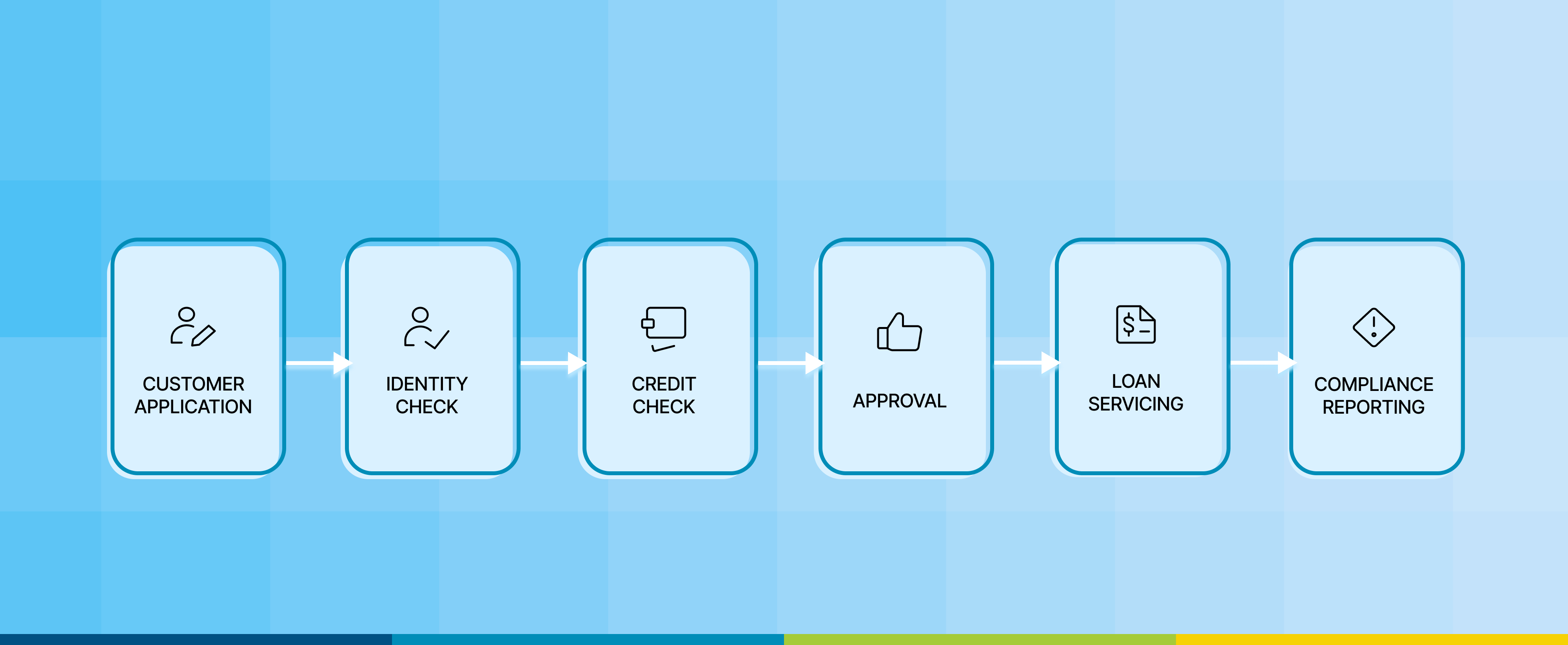
Where Lending Operations Break Under Regulatory Pressure
While regulators publish rules and compliance frameworks, the real impact of US Digital Lending Regulations 2026 appears inside lending operations.
Many fintech stacks were built for rapid growth, not regulatory oversight. When compliance requirements expand, several structural weaknesses start to appear.
These operational gaps explain why many digital lenders struggle with regulatory compliance in digital lending.
1. Data Collection Systems Cannot Support Regulatory Reporting
One of the first operational failures under US Digital Lending Regulations 2026 occurs in data collection.
Modern lending platforms capture information needed to approve or deny loans. However, regulators increasingly require lenders to collect additional borrower attributes and demographic information under consumer lending regulations.
This creates a disconnect between operational systems and compliance needs.
Without proper infrastructure, lenders often rely on manual workarounds to meet lending compliance in the US, exporting data into spreadsheets or external reporting tools. These processes may work temporarily, but they quickly become unsustainable as lending volumes increase.
As a result, lenders are discovering that meeting digital lending compliance requirements requires a deeper redesign of how borrower data flows through their platforms.
2. Algorithmic Lending Models Face Growing Scrutiny
Automated underwriting has become a defining feature of fintech lending. Machine-driven credit models allow lenders to analyze borrower behavior, transaction patterns, and alternative data sources faster than traditional manual underwriting.
But under US Digital Lending Regulations 2026, regulators expect lenders to explain how those decisions are made.
If an applicant is denied credit, institutions must demonstrate that the decision complies with fair lending rules and does not discriminate against protected groups.
For many fintechs, this exposes a major weakness in digital lending regulations compliance. Decision engines often lack transparent documentation, explainable logic, and traceable audit trails.
Without these safeguards, lenders face significant digital lender regulatory risk when regulators examine how automated credit models operate.
3. Fragmented Lending Systems Complicate Compliance
Another operational challenge under US Digital Lending Regulations 2026 comes from fragmented technology stacks.
Many lenders rely on separate systems for loan origination, underwriting, servicing, and reporting—despite modern loan origination software being designed to centralize borrower data and decision workflows.
Each system may perform its individual role effectively, but regulators require lenders to provide consistent records across the entire lending lifecycle.
This creates a major challenge for lending operations compliance. Compliance teams often spend significant time reconciling data across systems simply to generate regulatory reports.
Fragmentation is one of the most common reasons digital lending platforms fail regulatory audits. This is one reason many lenders are shifting toward unified architectures rather than fragmented stacks, as explained in why unified lending platforms are replacing patchwork systems.
To address this challenge, lenders increasingly need infrastructure designed specifically for fintech compliance requirements.
4. Manual Compliance Processes Do Not Scale
Many fintech companies initially manage compliance tasks through manual reviews and operational checklists. This approach may work during early stages of growth, but US Digital Lending Regulations 2026 make manual compliance increasingly impractical.
As lending volumes grow, compliance teams must monitor borrower data, regulatory reporting fields, and decision documentation across thousands or millions of loans.
Without lending compliance automation, these processes quickly become bottlenecks. Modern platforms increasingly embed compliance workflows directly into lending systems, which is why loan management software simplifies regulatory compliance for lenders.
Automation helps ensure that regulatory checks are performed consistently across the lending lifecycle while reducing operational risk. This is why many lenders are investing in technology that combines lending automation with built-in compliance controls.
The Biggest Compliance Challenges for Digital Lenders
The operational impact of US Digital Lending Regulations 2026 is creating several recurring challenges across the digital lending industry.
Rapid regulatory evolution
Rules governing lending regulations for fintechs continue to evolve as regulators adapt to new digital lending models. This requires lenders to continuously update processes and systems.
Increasing data requirements
New reporting obligations expand the amount of borrower information that must be collected and stored.
Lack of system flexibility
Many legacy lending platforms cannot quickly adapt to new compliance rules, making regulatory updates costly and slow.
Growing regulatory scrutiny
As regulators focus more closely on algorithmic decisioning and consumer protection, consumer lending compliance expectations continue to rise.
These pressures are pushing many organizations to rethink how they design and operate their lending platforms.
What Digital Lenders Should Fix First
To successfully navigate US Digital Lending Regulations 2026, lenders must focus on operational improvements rather than simply updating compliance policies.
Several infrastructure changes can significantly reduce regulatory risk.
Centralized compliance data architecture
Lenders should ensure that regulatory data is captured consistently across all stages of the lending lifecycle.
Transparent credit decisioning
Underwriting models must provide clear explanations for approvals and denials to support fair lending compliance.
Integrated lending platforms
Platforms that combine origination, servicing, and reporting simplify lending operations compliance and reduce data fragmentation.
These improvements help lenders respond more effectively to ongoing US fintech regulatory changes.
Why Compliance Is Becoming a Technology Problem
Historically, regulatory compliance was primarily managed by legal and risk teams. But under US Digital Lending Regulations 2026, compliance is increasingly becoming a technology challenge.
Regulators expect lenders to demonstrate:
- traceable borrower data
- explainable automated decisions
- structured regulatory reporting
- consistent operational controls
Meeting these expectations requires platforms designed with compliance in mind, such as unified lending infrastructure like Prizm Lending Suite that integrates origination, servicing, and compliance reporting into a single system.
For many digital lender organizations, this represents a major shift in how they approach system architecture. Compliance is no longer a separate function—it must be embedded directly into lending infrastructure.
As US Digital Lending Regulations 2026 continue to evolve, lenders that build compliance into their platforms will be far better positioned to adapt to future regulatory changes.
FAQs
How do US digital lending regulations in 2026 affect fintech operations?
US Digital Lending Regulations 2026 significantly expand data reporting, transparency, and compliance requirements. Fintech companies must redesign lending operations to support regulatory data capture, automated compliance checks, and explainable credit decisioning.
What are the biggest compliance challenges for digital lenders in the US?
Major challenges include fragmented lending systems, lack of regulatory reporting infrastructure, limited transparency in automated underwriting models, and difficulty scaling compliance processes as loan volumes grow.
Why do digital lending platforms fail regulatory audits?
Many platforms fail audits because they cannot produce consistent data across the lending lifecycle. Disconnected systems, incomplete borrower records, and lack of decision transparency often lead to compliance gaps.
What should digital lenders fix first to stay compliant with US regulations?
Digital lenders should prioritize centralized data architecture, explainable credit decision systems, and integrated lending platforms that support automated regulatory reporting.
How can fintech companies reduce regulatory risk in lending operations?
Fintech companies can reduce regulatory risk by embedding compliance into their technology infrastructure through automation, transparent decisioning, and unified lending platforms.
.png)

.png)
.png)


