%201.avif)
Why Centralized Lending Systems Don’t Guarantee Cross-Sell
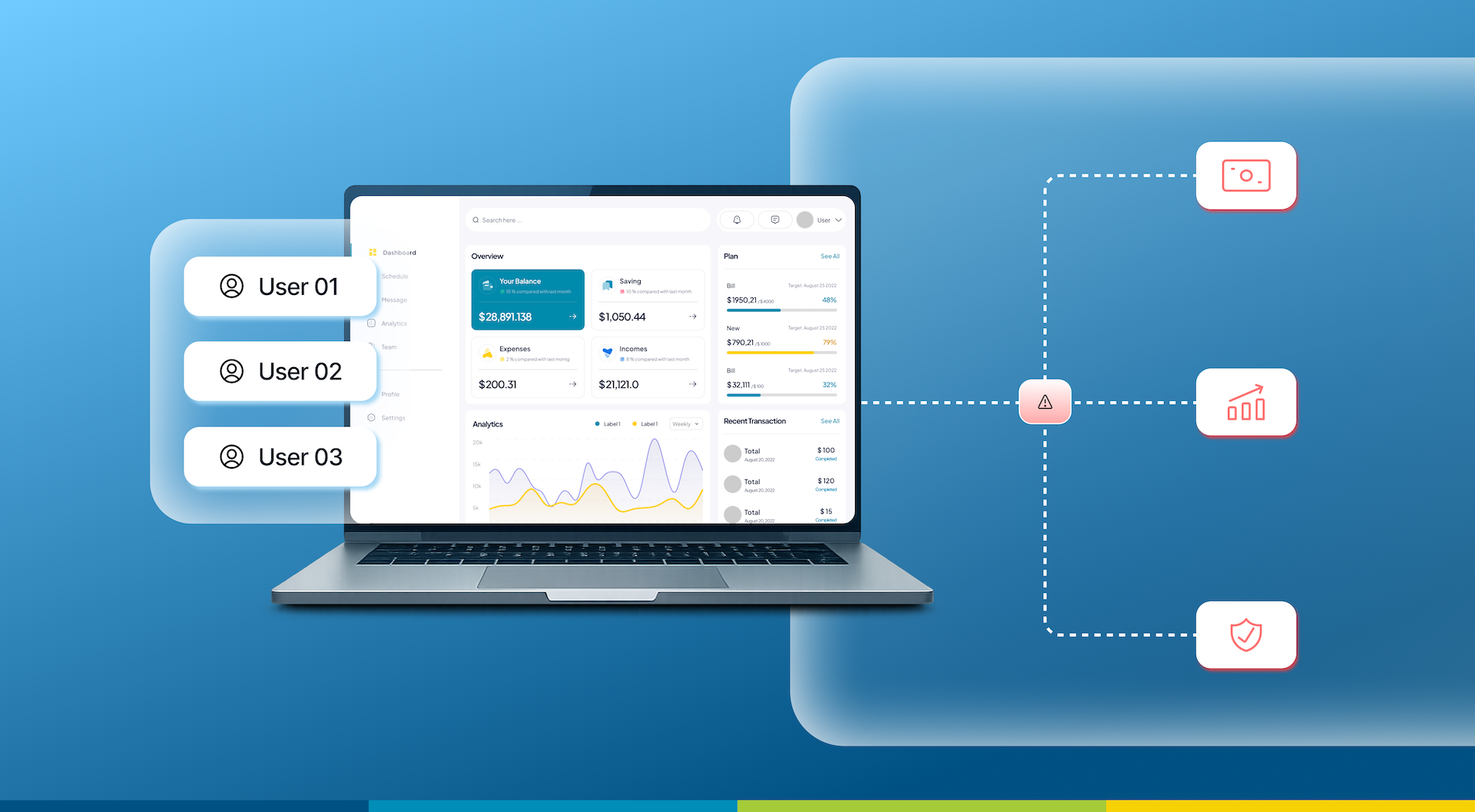
Financial institutions around the world are investing heavily in centralized lending systems to modernize operations and eliminate fragmented workflows. The logic is straightforward: when borrower data and lending processes are consolidated into a single platform, lenders should be able to identify more opportunities to cross-sell and upsell financial products.
In practice, however, the outcome is rarely that simple.
While centralized lending systems improve visibility across loan portfolios and streamline operations, they do not automatically generate revenue opportunities. Cross-sell and upsell depend on much more than technology consolidation. They require deeper customer insight, predictive analytics, and coordinated engagement across the borrower lifecycle.
Many modern lending platforms successfully centralize data and workflows, but still struggle to turn that information into meaningful growth. To understand why, it’s important to look at what centralization actually solves, and what it does not.
What Centralized Lending Systems Actually Solve
Implementing centralized lending systems is a major step forward for financial institutions dealing with fragmented technology stacks. Historically, lenders have relied on disconnected tools for origination, servicing, compliance, and reporting, often creating patchwork lending environments that limit visibility across the borrower lifecycle.
Modern lending systems bring multiple operational layers together, including application intake, underwriting, servicing, and monitoring. When integrated properly, they provide a unified view of borrower relationships and loan performance.
These platforms typically consolidate:
- Loan origination systems that manage application workflows and underwriting
- Loan management systems responsible for servicing and repayment tracking
- Reporting tools used for risk, compliance, and operational monitoring
By connecting these components, centralized lending systems improve efficiency, reduce manual processes, and enable standardized workflows across products.
However, operational efficiency does not necessarily translate into customer engagement. Centralization creates visibility, but it does not automatically create insight.
Why Cross-Sell Still Fails After Lending Modernization
Despite implementing modern digital lending platforms, many lenders continue to struggle with cross-sell and upsell performance.
The assumption that centralized lending systems will naturally unlock revenue opportunities overlooks several key realities. Cross-selling is not simply about having access to data. It requires the ability to interpret that data, identify borrower intent, and deliver relevant offers at the right time.
Even well-designed fintech lending platforms can fall short when they lack the analytical and engagement capabilities required to translate operational data into sales opportunities.
Several challenges typically remain even after centralization:
- borrower insights remain shallow
- analytics capabilities are limited
- engagement channels are disconnected
- customer journeys are not orchestrated
As a result, lenders may have access to more data but still lack the tools needed to act on it effectively.
.png)
Data Centralization Is Not the Same as Customer Intelligence
One of the most common misconceptions about centralized lending systems is that consolidating loan data automatically produces actionable customer insight. While centralization can reduce operational silos, lenders must still address deeper data fragmentation challenges across lending workflows.
In reality, most loan management systems focus primarily on operational data related to loan performance. They capture details such as repayment history, loan balances, interest rates, and borrower demographics. While this information is valuable, it rarely provides a complete picture of the borrower’s financial behavior.
Effective cross-selling requires customer data unification across a much broader ecosystem. Lenders need visibility into transaction activity, financial health indicators, product usage patterns, and life-stage changes.
Without this level of customer data unification, lending teams are often limited to generic product offers rather than tailored recommendations. This explains why many institutions with advanced lending platforms still struggle to identify meaningful upsell opportunities.
Industry research reinforces this challenge. According to McKinsey, 71% of consumers expect companies to deliver personalized interactions, and 76% become frustrated when those expectations are not met, highlighting why lenders need deeper customer intelligence beyond centralized data.
Centralization improves access to information, but insight requires a deeper analytical layer.
Cross-Sell Requires Predictive Lending Analytics
Successful cross-sell strategies increasingly depend on advanced lending analytics rather than simple data visibility.
Predictive analytics models analyze borrower behavior, repayment patterns, and financial indicators to determine which customers are most likely to benefit from additional products. These insights help lenders identify opportunities such as credit line increases, refinancing options, or complementary loan products.
Without lending analytics, even the most advanced centralized lending systems function primarily as operational tools rather than revenue engines.
Many leading fintech lending platforms now integrate analytics capabilities directly into their technology stacks. These tools help lenders identify borrower needs before customers actively seek new financial products.
For example, analytics models can detect when a small business borrower may need seasonal working capital or when a consumer borrower may qualify for a refinancing offer.
This type of predictive insight is essential for turning centralized data into actionable growth strategies.
Loan Origination Systems Are Often Isolated
Another common limitation arises from the way loan origination systems are implemented within lending architectures.
Many loan origination systems are designed primarily to manage the application and approval process. Once a loan is disbursed, the customer relationship often shifts to separate servicing platforms.
This creates a disconnect between loan origination systems and loan management systems, limiting the lender’s ability to track borrower journeys across multiple products.
As a result, lenders may miss critical opportunities to re-engage borrowers after the initial loan is approved. Cross-sell strategies become reactive rather than proactive.
Even within centralized lending systems, these lifecycle gaps can persist if the underlying platforms are not designed to support continuous borrower engagement.
Lending Platforms Rarely Manage Customer Journeys
Another reason centralized lending systems do not automatically drive cross-sell is that most platforms focus on operational workflows rather than customer journeys.
Traditional digital lending software excels at managing loan processing and compliance requirements. However, it often lacks the capabilities required to orchestrate borrower engagement across multiple touchpoints.
Effective cross-sell requires precise timing. For example:
- offering working capital before a business experiences seasonal demand
- suggesting refinancing when market interest rates change
- proposing credit line expansions after consistent repayment behavior
Most digital lending platforms do not actively monitor these behavioral signals. Instead, they rely on manual processes or external marketing tools.
Without integrated engagement capabilities, lenders struggle to translate borrower insights into timely product recommendations.
Organizational Silos Still Block Cross-Sell
Technology is only one part of the equation.
Even when centralized lending systems unify operational data, many financial institutions continue to operate with internal silos across product lines. Teams responsible for different loan products often work independently, with separate incentives and performance metrics.
This structure limits the ability of lending systems to support cross-product collaboration. A borrower with an existing mortgage, for example, may also be a strong candidate for a personal loan or credit line expansion. But if product teams operate separately, these opportunities may go unnoticed.
Modern fintech lending platforms can help surface cross-sell opportunities, but organizational alignment is equally important for turning insights into action.
What Lenders Actually Need to Drive Cross-Sell and Upsell
While centralized lending systems provide the operational foundation for modern lending, additional capabilities are required to unlock revenue growth.
Lenders that succeed in cross-selling typically combine centralization with several strategic layers.
First, they focus on customer data unification across lending, payments, deposits, and external financial data sources, creating a holistic view of borrower behavior.
Second, they invest in advanced lending analytics that identify patterns, predict borrower needs, and highlight upsell opportunities.
Third, they integrate loan origination systems and loan management systems into broader engagement workflows that support continuous customer interaction.
Finally, they adopt modern digital lending platforms capable of orchestrating multi-product relationships rather than managing individual loan transactions.
Together, these capabilities transform centralized lending systems from operational tools into growth enablers.
The Role of Modern Digital Lending Platforms
Today’s most advanced digital lending platforms are designed to go beyond simple process automation. They enable lenders to combine operational efficiency with customer intelligence.
By integrating lending analytics, engagement tools, and unified data environments, these platforms allow lenders to identify cross-sell opportunities across the entire borrower lifecycle.
Rather than relying solely on centralized lending systems, financial institutions can build intelligent lending ecosystems that continuously analyze borrower behavior and recommend relevant products.
For lenders competing in increasingly digital markets, this shift is critical. Growth is no longer driven by loan origination alone but by the ability to deepen relationships across multiple financial products.
The financial impact of deeper customer relationships is significant. Research from Bain & Company shows that increasing customer retention by just 5% can raise profits by 25% to 95%. For lenders, effective cross-sell and upsell strategies are therefore not just about product expansion—they are central to long-term profitability.
Conclusion
Implementing centralized lending systems is an important milestone in the modernization journey of financial institutions. These systems improve operational efficiency, eliminate technology silos, and provide greater visibility into loan portfolios.
However, centralization alone does not guarantee cross-sell or upsell success.
To unlock real revenue growth, lenders must complement centralized lending systems with customer data unification, advanced lending analytics, and integrated digital lending platforms that support borrower engagement throughout the lifecycle.
Institutions that combine centralized infrastructure with intelligent insights are far more likely to identify timely opportunities, strengthen borrower relationships, and drive sustainable growth across lending portfolios.
FAQs
Do centralized lending systems support cross sell and upsell?
Centralized lending systems can enable cross-sell by consolidating borrower data and improving visibility across loan portfolios. However, they do not automatically generate sales opportunities. Lenders still need lending analytics, customer data unification, and engagement strategies to identify relevant offers.
How does data fragmentation in lending platforms impact cross-selling opportunities?
When data is fragmented across multiple lending platforms, lenders lack a unified view of borrower behavior. This prevents teams from identifying potential product needs and limits the effectiveness of cross-sell strategies.
How do lenders increase cross sell across multiple loan products?
Lenders increase cross-sell by integrating loan management systems, loan origination systems, and advanced lending analytics to identify borrower needs across multiple products and lifecycle stages.
How do fintech lenders drive upsell across lending products?
Modern fintech lenders rely on digital lending software, unified data environments, and predictive analytics to identify when borrowers may benefit from additional products such as refinancing, credit expansion, or complementary loans.
.png)

.png)
.png)


